Brass Bulletin is now also available in Italian and Spanish.

September 10, 2026

New to the digital edition

Articles, interviews, research and historical documents

In their own words

Voices

No. 47 · 1984

Read the article

Full access

Become a member

Unlimited access to every article, historical PDF downloads, and new material every week — from CHF 5 per month.

Subscribe

Crispy Brass Quotes

John Fletcher

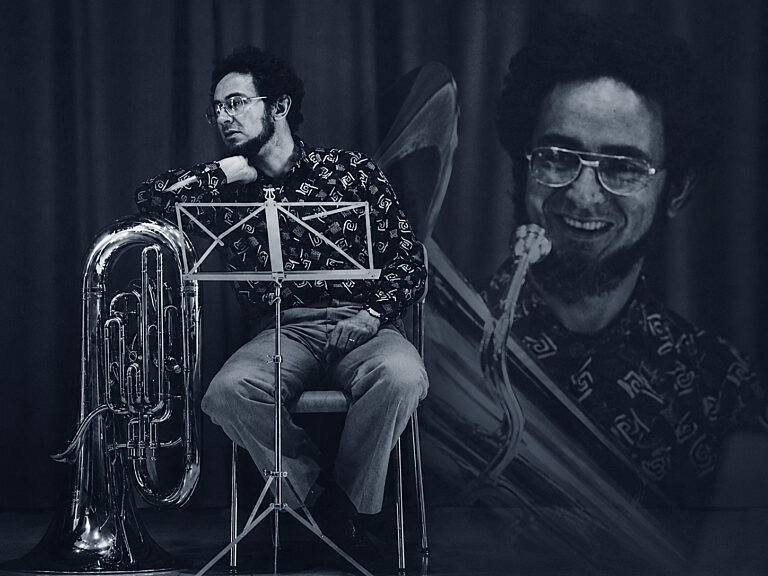
Playing solos on the tuba is pretty unsatisfactory as well. After about five minutes, the average ear gets sick of the noise. Most people can’t hear at the bottom. Tuba players, with their extra aural sophistication, have completely forgotten that to most people anything below the top of the bass clef is just a rumble.

— John Fletcher

No. 47 1984

Read the article
The Trumpet in the USA

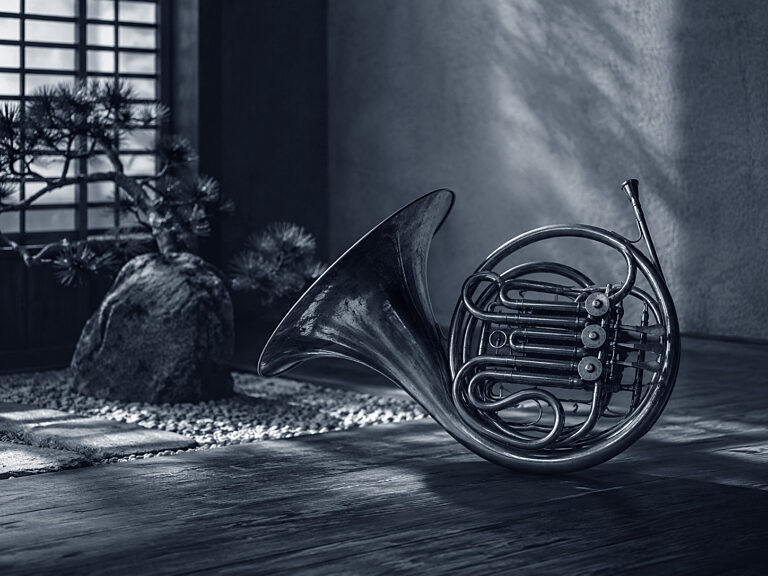
Many years ago, William Vacchiano of the New York Philharmonic purchased a Bach D trumpet which played horribly sharp in pitch. When he complained to Vincent Bach, the latter, in his own inimitable style, responded by saying Vacchiano didn’t know how to play the instrument properly! So Vacchiano put the instrument in a closet and never played it. Twenty years later he discovered the instrument had been improperly fitted with an E♭ trumpet leadpipe!

— Thomas Stevens

No. 43 1983

Read the article

More to read

Faces

Historic moments captured in the Journal pages of Brass Bulletin.

4th Soviet Brass Competition • Tallinn

4th Soviet Brass Competition • Tallinn

Timofey Dokshitzer and composer Eino Tamberg

Brass Bulletin No. 37 1982

Browse this issue

Most read

  1. No. 39 · 1982

    James Stamp, subtle teaching

    Intonation, held notes and mouthpiece work shape James Stamp's subtle approach to trumpet playing, where listening and physical economy guide technique.

    By Alfred Willener

  2. No. 47 · 1984

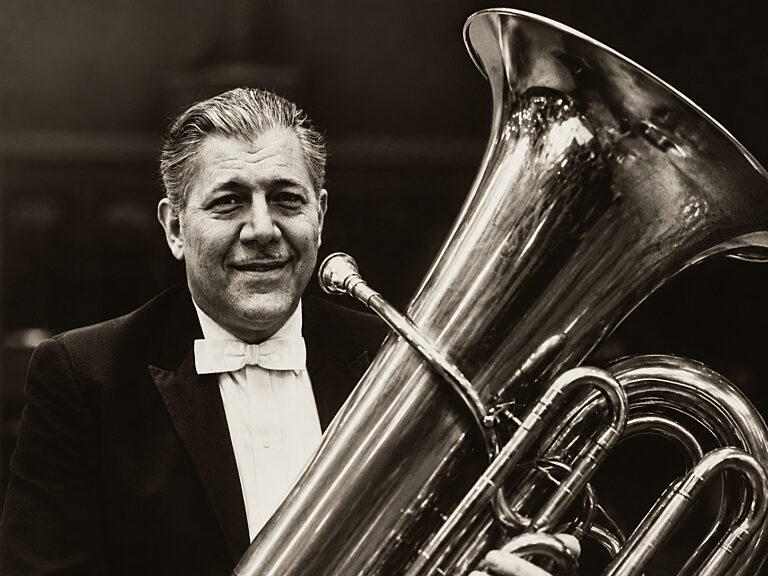
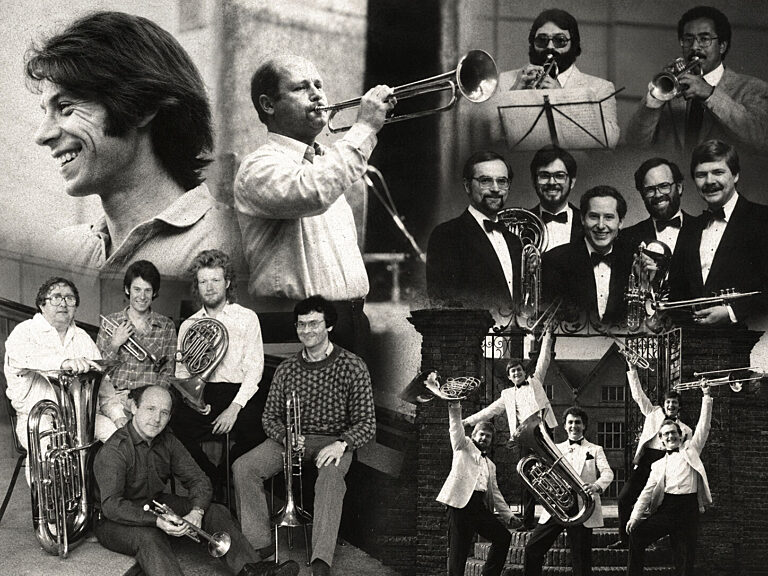
    John Fletcher

    As brass instruments grew larger and louder, John Fletcher saw something being lost: the individual voice, clarity and character that make a player heard.

    By Thomas Aitken

  3. No. 46 · 1984

    The Trombone in the Sacred Works of W. A. Mozart

    In Mozart’s sacred music, the trombone moved beyond choral reinforcement to striking solo roles that preserve the sound and practice of eighteenth-century Salzburg.

    By Benny Sluchin

  4. No. 47 · 1984

    Editorial

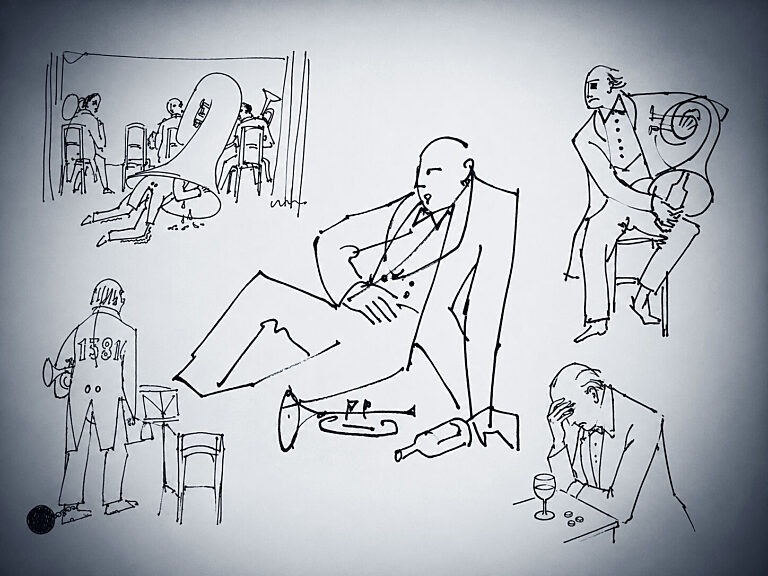
    A ghostly Arban returns in 1984 to find virtuosity thriving, instruments transformed and a brass world whose progress leaves its greatest pedagogue strangely displaced.

    By Jean-Pierre Mathez

  5. No. 46 · 1984

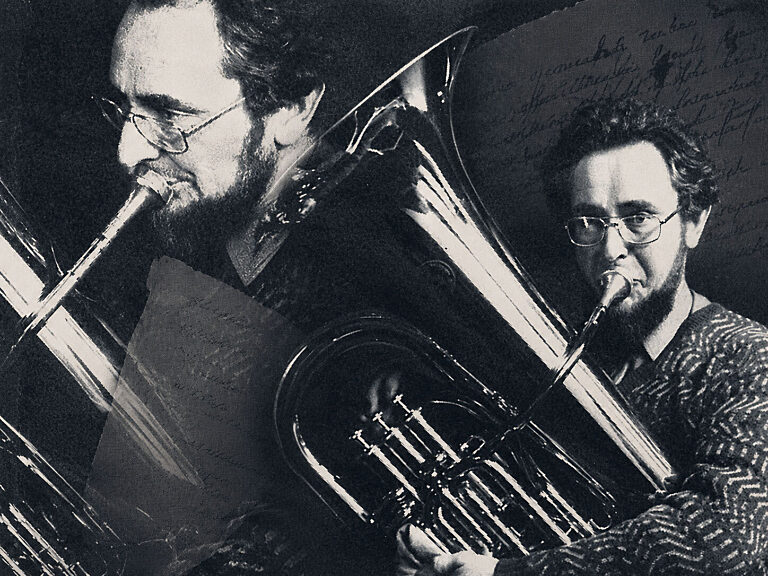
    Melvyn Poore

    A tuba becomes a laboratory for circular breathing, reeds, strange mutes and music theatre as Melvyn Poore pushes beyond the orchestral role assigned to it.

    By Thomas Aitken

  6. No. 45 · 1984

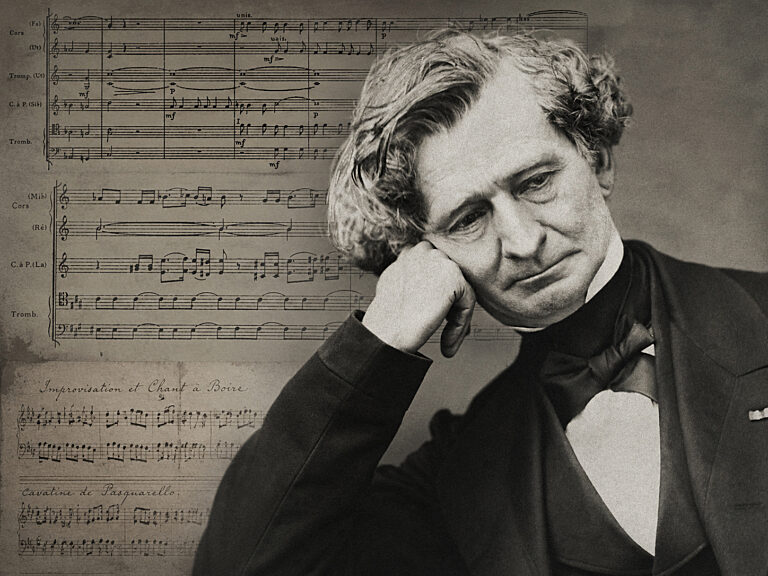
    Brass in the Operas of Berlioz

    Berlioz turned a changing brass section into a dramatic force, using horns, trombones, cornets and saxhorns to shape colour, distance, ceremony and fear.

    By Benjamin Perl

Loading…

Questions & Answers

How the Digital Edition works

What does the Digital Edition include?

The Digital Edition brings together the articles already digitized as searchable online texts—not simply as scans or PDF files—along with their original illustrations, notes, authorship, issue information, and available translations. Related-article suggestions currently include only this digitized material.

Are the digital articles identical to the originals?

We preserve the original text, language, illustrations, captions, footnotes, and editorial context as faithfully as possible. The presentation is adapted for comfortable online reading, and obvious transcription or scanning errors may be corrected. The substance and character of the published article remain unchanged.

Which languages are available?

Brass Bulletin was published in English, French, and German throughout its history. Italian and Spanish translations were added from issue No. 60 onward.

On the Italian and Spanish sites, articles from issues 1–59 are therefore shown in English by default.

How often are new articles added?

New articles are added almost daily, with approximately one complete issue digitized each week. The pace may vary depending on the preparation, image work, and editorial checking required.

Why aren’t all articles available digitally?

The complete Brass Bulletin collection contains 1,246 articles published between 1971 and 2003. The full index is already available online, allowing readers to discover every article in the collection, including those whose complete text has not yet been digitized.

Digitization began in February 2026. Each article is carefully prepared for online reading, checked, and connected to its issue, authors, subjects, and illustrations. At the current pace of digitization, the complete collection is expected to be available online by February 2028.

Why do some references mention articles that are not available yet?

References in the original articles are preserved even when the material they point to has not yet been digitized. This keeps the historical and editorial record intact. As more issues are added to the Digital Edition, an increasing number of these references will lead to articles that can be read online.

Can I suggest an article or report a transcription error?

Yes. If there is an article you would particularly like to see digitized, or if you notice a possible transcription error or missing detail, please contact us. Reader feedback helps us improve the Digital Edition and prioritize useful connections within the archive.

How can I support Brass Bulletin?

Your support helps fund the preparation, verification, and online publication of the complete collection.

Subscribe to the Digital Edition

Prefer to support us without subscribing?

Make a donation

Search Brass Bulletin.